
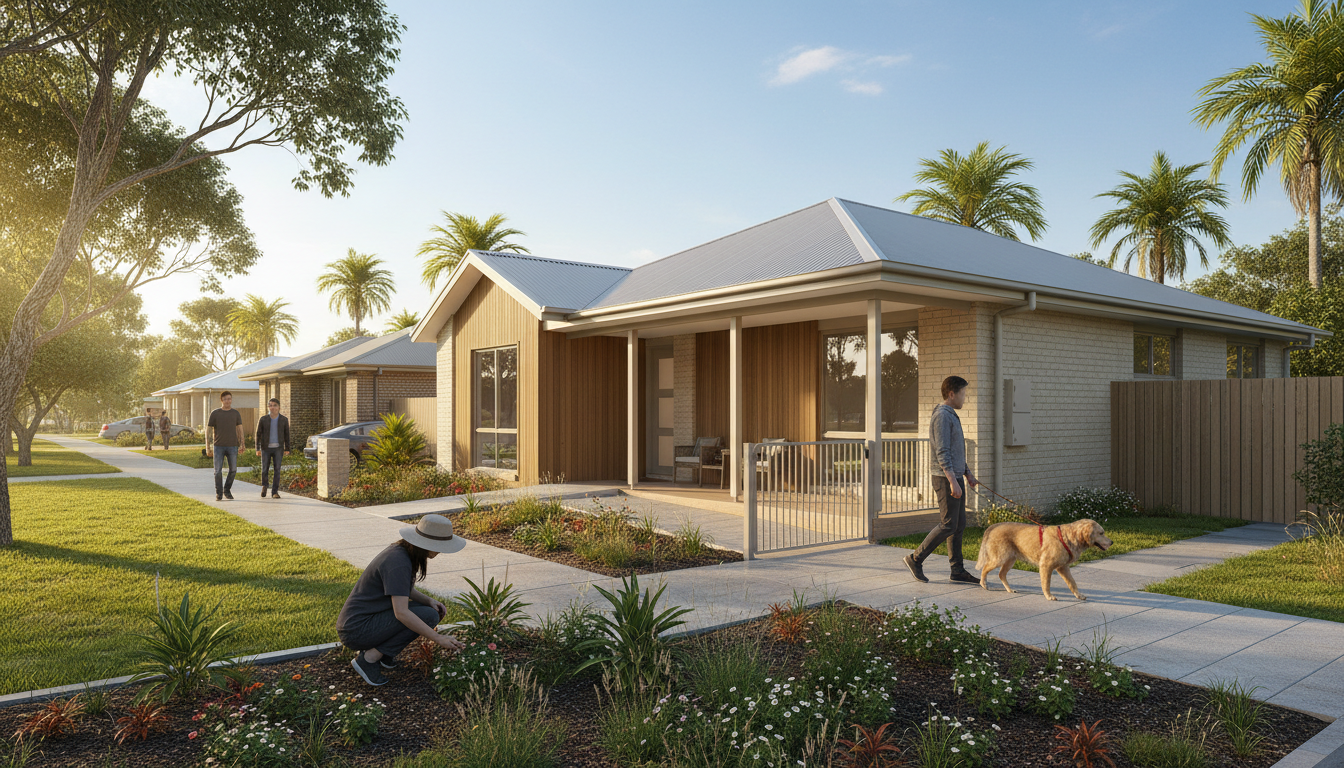
Many NDIS participants believe Supported Independent Living (SIL) is their only pathway to independence. In reality, NDIS housing support spans a wide range of options designed to meet different needs, living situations, and goals. Under the National Disability Insurance Scheme Act 2013 (Cth) and NDIS (Supports for Participants) Rules 2013, housing supports include Specialist Disability Accommodation (SDA), home modifications, assistive technology, Short-Term and Medium-Term Accommodation, and in-home personal care. Understanding these options helps you make informed decisions about where and how you want to live.
According to the Australian Institute of Health and Welfare (AIHW), approximately 28% of NDIS participants live in private rental accommodation, highlighting the importance of understanding housing support options beyond SDA and SIL. This article explains what each housing support type involves, how they differ, and how you can combine them to achieve your independence goals.
What Is Supported Independent Living (SIL) Under the NDIS?
Supported Independent Living refers to the daily personal care and support services that help you live as independently as possible in a shared or individual residence. SIL is not the physical house itself—it is the assistance provided by support workers to help you with everyday tasks such as personal care, meal preparation, medication management, and developing daily living skills.
SIL funding sits under Core or Capacity Building supports in your NDIS plan, depending on whether the focus is on daily assistance or skill development. The National Disability Insurance Agency (NDIA) assesses SIL requests based on your functional capacity, support needs, and goals. You can learn more about how Supported Independent Living works day-to-day to understand whether this support type aligns with your needs.
SIL is typically suited to participants who require regular assistance with daily activities and benefit from a structured living environment. However, it is not the only option for participants seeking greater independence or housing stability.
Understanding NDIS Housing Support Categories
NDIS housing supports are funded across three main budget categories under the NDIS (Supports for Participants) Rules 2013: Core Supports, Capacity Building, and Capital Supports. Each category serves a different purpose and is subject to different funding rules and NDIS Pricing Arrangements and Price Limits.
Core Supports cover everyday assistance, including in-home personal care, community access, and consumables. These supports help you live independently in your current home without requiring modifications or specialised housing.
Capacity Building supports focus on developing your skills and independence over time. This may include support coordination, allied health assessments for housing modifications, or training to use assistive technology effectively.
Capital Supports fund one-off or long-term investments such as home modifications, assistive technology, and Specialist Disability Accommodation. These supports are assessed against the reasonable and necessary test, which considers whether the support is directly related to your disability, represents value for money, and is likely to be effective.
Understanding what NDIS funding can actually be used for helps you identify which housing supports are available within your plan and how to request them during planning meetings.
Specialist Disability Accommodation (SDA): Purpose-Built Housing
Specialist Disability Accommodation is purpose-built or modified housing designed for people with extreme functional impairment or very high support needs. SDA is the physical dwelling itself, funded separately under Capital Supports, and is distinct from the support services (such as SIL) provided within that dwelling.
As of December 2023, only 8.4% of active NDIS participants (approximately 47,000 people) received Specialist Disability Accommodation (SDA) funding, according to the NDIS Quarterly Report to disability ministers. This reflects the NDIA’s strict eligibility criteria: SDA must be the only way you can achieve your housing goals, and you must require significant modifications or design features that are not available in standard housing.
SDA is categorised into five design types, each meeting different functional needs:
- Improved Liveability: Enhanced accessibility features such as wider doorways and step-free access
- Fully Accessible: Designed for participants who use mobility aids such as wheelchairs
- Robust: Reinforced structures for participants whose behaviour may damage standard housing
- High Physical Support: Features such as ceiling hoists and assistive technology infrastructure
- Basic: Standard accessible housing with minimal modifications
- Ramps and handrails for mobility access
- Widened doorways and hallways for wheelchair users
- Accessible bathrooms with roll-in showers and grab rails
- Kitchen modifications such as lowered benches or accessible storage
- Ceiling hoists for transferring between rooms
- Automated doors and lighting systems
- Mobility aids such as wheelchairs, walkers, and scooters
- Communication devices for participants with speech or language difficulties
- Environmental control systems for operating lights, doors, and appliances
- Pressure care equipment such as mattresses and cushions
- Hearing aids and assistive listening devices
- Vision aids and screen readers
- Planned respite to give your regular carers a break
- Emergency accommodation when your usual living arrangement is unavailable
- Trial periods to experience different living environments before making a permanent change
- Transition support while waiting for permanent housing or SDA
- Leaving hospital or a rehabilitation facility and need time to adjust before returning home
- Exiting institutional care and learning to live independently
- Waiting for SDA or SIL arrangements to be finalised
- Experiencing a breakdown in your current living arrangement and need temporary housing while exploring alternatives
- Home modifications and assistive technology to improve accessibility in your current home
- SDA and SIL for participants who need both purpose-built housing and daily support services
- In-home personal care and Capacity Building supports to develop independent living skills while receiving assistance
- Short-Term Accommodation and home modifications while your home is being modified
- Medium-Term Accommodation and Support Coordination while exploring permanent housing options
SDA funding is determined by the NDIA based on evidence from allied health professionals, current living arrangements, and whether other housing options have been explored. The NDIS Quality and Safeguards Commission oversees SDA providers to ensure dwellings meet the NDIS Practice Standards and participant safety requirements.
If you do not meet SDA eligibility criteria, home modifications and assistive technology may provide the accessibility you need in your current or chosen home.
Home Modifications: Making Your Current Home Work for You
Home modifications are physical changes to your residence that improve accessibility, safety, and independence. These modifications are funded under Capital Supports and must meet the reasonable and necessary test outlined in the National Disability Insurance Scheme Act 2013 (Cth).
The National Disability Insurance Agency (NDIA) reports that home modifications are one of the most commonly requested Capital supports, with over 90,000 participants receiving assistive technology and home modification supports in 2022-23. Common modifications include:
Home modifications require an assessment by an occupational therapist or other qualified allied health professional. The assessment report must demonstrate how the modification will improve your functional capacity, safety, or independence. You can learn more about the NDIS home modifications approval process to understand the steps involved.
If you rent your home, you will need written permission from your landlord before the NDIA approves funding. The NDIA will also consider the length of your tenancy and whether modifications can be removed or transferred when you move. Home modifications in rental properties are assessed on a case-by-case basis under the NDIS Pricing Arrangements and Price Limits.
Assistive Technology and Equipment for Independent Living at Home
Assistive technology includes devices and equipment that help you perform daily tasks, communicate, move safely, or manage your environment. These supports are funded under Capital Supports or Core Supports, depending on the cost and complexity of the item.
Low-cost assistive technology (generally under $1,500) can be purchased using your Core budget without prior NDIA approval. This includes items such as shower chairs, grab rails, reachers, and communication aids. Higher-cost items require an allied health assessment and NDIA approval before purchase.
Common assistive technology for independent living includes:
Assistive technology assessments are typically conducted by occupational therapists, physiotherapists, or speech pathologists, depending on the type of equipment. The assessment report must explain how the technology will improve your independence, safety, or participation in daily life.
Aus Care Community Services has been supporting NDIS participants across South West Sydney since July 2017, including those navigating assistive technology and home modification requests. Our team works closely with allied health professionals to ensure participants receive the equipment and modifications they need to live independently.
Short-Term Accommodation and Respite: Temporary Housing Solutions
Short-Term Accommodation (STA), commonly known as respite, provides temporary housing when you need a break from your usual living arrangement or when your regular carers are unavailable. STA is funded under Core Supports and can be used for planned or emergency situations.
STA is typically provided in group homes, respite centres, or host family arrangements. It can last from a few days to several weeks, depending on your plan and circumstances. STA funding is separate from your other Core Supports and is allocated based on your assessed need for respite.
STA can be used for:
STA providers must be registered with the NDIS Quality and Safeguards Commission and comply with the NDIS Practice Standards. This ensures your safety, dignity, and rights are protected during your stay.
Medium-Term Accommodation: Transitional Housing Support
Medium-Term Accommodation (MTA) provides housing and support for up to 90 days when you are transitioning between living arrangements. MTA is funded under Capital Supports and is designed to help you develop the skills and confidence needed for more independent living.
MTA is typically used when you are:
MTA includes both the accommodation and the support services provided during your stay. The NDIA assesses MTA requests based on your current situation, goals, and the likelihood that MTA will help you achieve a more stable and independent living arrangement.
MTA is not intended as a long-term housing solution. It is a transitional support designed to help you move toward a permanent living arrangement that meets your needs and goals.
How to Request Housing Supports in Your NDIS Plan
Requesting housing supports begins with your NDIS planning meeting. You will need to clearly explain your current living situation, the challenges you face, and how housing supports will help you achieve your goals. The NDIA applies the reasonable and necessary test to all housing requests, considering whether the support is directly related to your disability, effective, and value for money.
To strengthen your housing request, gather evidence from allied health professionals such as occupational therapists, physiotherapists, or support coordinators. These reports should explain your functional capacity, support needs, and how the requested housing support will improve your independence, safety, or participation.
You can find tips for your first NDIS planning meeting to help you prepare and present your housing needs effectively. If you have a Support Coordinator, they can help you gather evidence, connect with housing providers, and navigate the approval process. Learn more about how NDIS Support Coordination works to understand how this support can assist with housing requests.
If your housing request is declined, you have the right to request an internal review or appeal the decision through the Administrative Appeals Tribunal (AAT). The NDIS Quality and Safeguards Commission can also assist if you believe your rights have not been upheld during the planning process.
Combining Housing Supports: What Works Together
Many participants benefit from combining multiple housing supports to create a living arrangement that meets their needs. For example, you may receive home modifications and assistive technology to make your current home more accessible, while also accessing in-home personal care under Core Supports to help with daily tasks.
Common combinations include:
The key is to ensure each support is reasonable and necessary under the National Disability Insurance Scheme Act 2013 (Cth) and aligns with your goals. Your NDIS plan should reflect a coordinated approach to housing that considers your current situation, future goals, and the supports needed to achieve them. You can explore strategies for maximising benefits from your NDIS funding to understand how to use multiple support types effectively.
Aus Care Community Services, one of the first registered NDIS providers in South West Sydney since July 2017, works with participants across Canterbury-Bankstown, Liverpool, Georges River, and surrounding areas to coordinate housing supports that align with their goals and living preferences.
Common Questions About NDIS Housing Options
Understanding NDIS housing supports can be complex, particularly when navigating the difference between SDA, SIL, and other housing options. Below are answers to common questions participants ask when exploring housing supports. For a broader understanding of NDIS services, you can review our complete guide to NDIS services.
Frequently Asked Questions
Can I get NDIS funding for rent or mortgage payments?
No. The National Disability Insurance Scheme Act 2013 (Cth) specifies that the NDIS does not fund everyday living costs like rent, mortgage, or utility bills. NDIS housing support covers disability-related supports such as Specialist Disability Accommodation (SDA), home modifications, or Supported Independent Living (SIL) assistance, as outlined in the NDIS (Supports for Participants) Rules 2013.
What is the difference between SIL and SDA?
Supported Independent Living (SIL) refers to the daily personal care and support services provided to help you live independently, funded under Core or Capacity Building supports. Specialist Disability Accommodation (SDA) is the physical housing itself—purpose-built or modified dwellings for people with extreme functional impairment or very high support needs, funded separately under Capital supports as defined by the National Disability Insurance Agency (NDIA).
How do I know if I’m eligible for Specialist Disability Accommodation?
SDA eligibility requires you to have extreme functional impairment or very high support needs, and SDA must be the only way you can achieve your housing goals. The NDIA assesses eligibility based on evidence from allied health professionals, current living arrangements, and whether other housing options have been explored, as per the NDIS (Supports for Participants) Rules 2013.
Can I use NDIS funding to modify a rental property?
Yes, if the modifications are reasonable and necessary for your disability-related needs, and you have written permission from your landlord. Home modifications are funded under Capital supports and must meet the NDIS Pricing Arrangements and Price Limits. The NDIA will consider the length of your tenancy and whether the modifications can be removed or transferred when assessing your request.
What housing support can I access if I don’t qualify for SIL or SDA?
You may access home modifications, assistive technology, Short-Term Accommodation (respite), Medium-Term Accommodation (transitional housing), or in-home personal care supports under Core or Capacity Building budgets. These supports help you live independently in your current home or community, as outlined in the NDIS (Supports for Participants) Rules 2013.
This article is general information only and does not constitute NDIS planning or funding advice. Every participant’s situation is different. For guidance specific to your NDIS plan, contact a registered Support Coordinator or the NDIA directly on 1800 800 110.
Aus Care Community Services has been supporting NDIS participants across South West Sydney since 2017, including those navigating housing options from SIL to in-home supports. Our experienced team can help you understand which housing supports suit your goals and connect you with the right services. Contact us today to discuss your housing needs in a person-centred planning conversation.
Registered NDIS provider serving South West Sydney and beyond since July 2017.